Product Management 3.0
Product Sense in the Age of AI
Phil Gerity · MIT Sloan · March 2026
Welcome. I'm Phil Gerity — I co-founded Windows 365 at Microsoft and now I lead the team building Windows 365 for Agents, the platform where AI agents get their own secure cloud PCs. I also got my MBA here at Sloan, so it's great to be back. Dev Bala was here recently talking about product sense — I'm going to build directly on that and take it further into how the entire PM discipline is evolving.
Phil Gerity
I co-founded Windows 365 and now I'm building the platform where AI agents meet the enterprise.
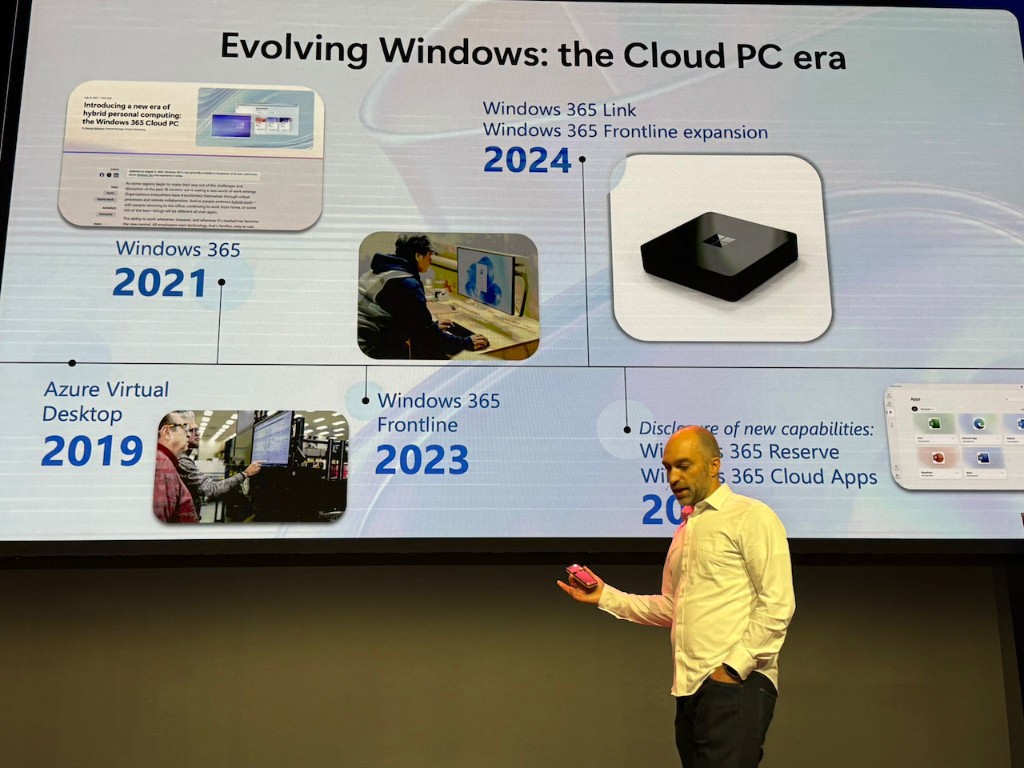
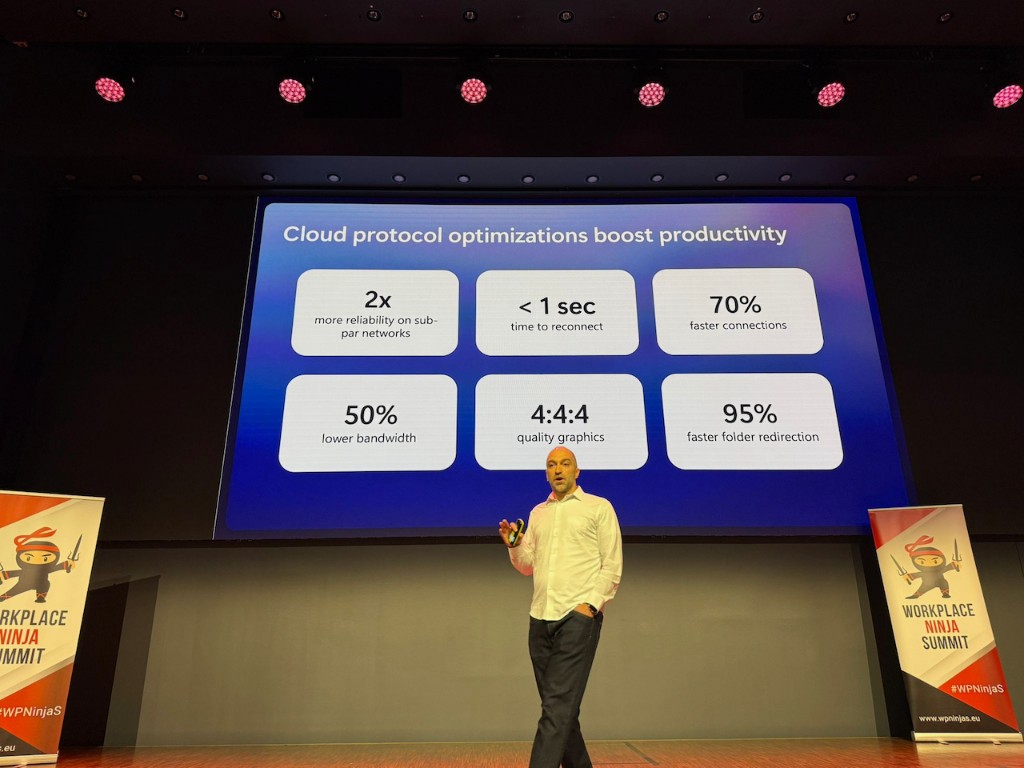
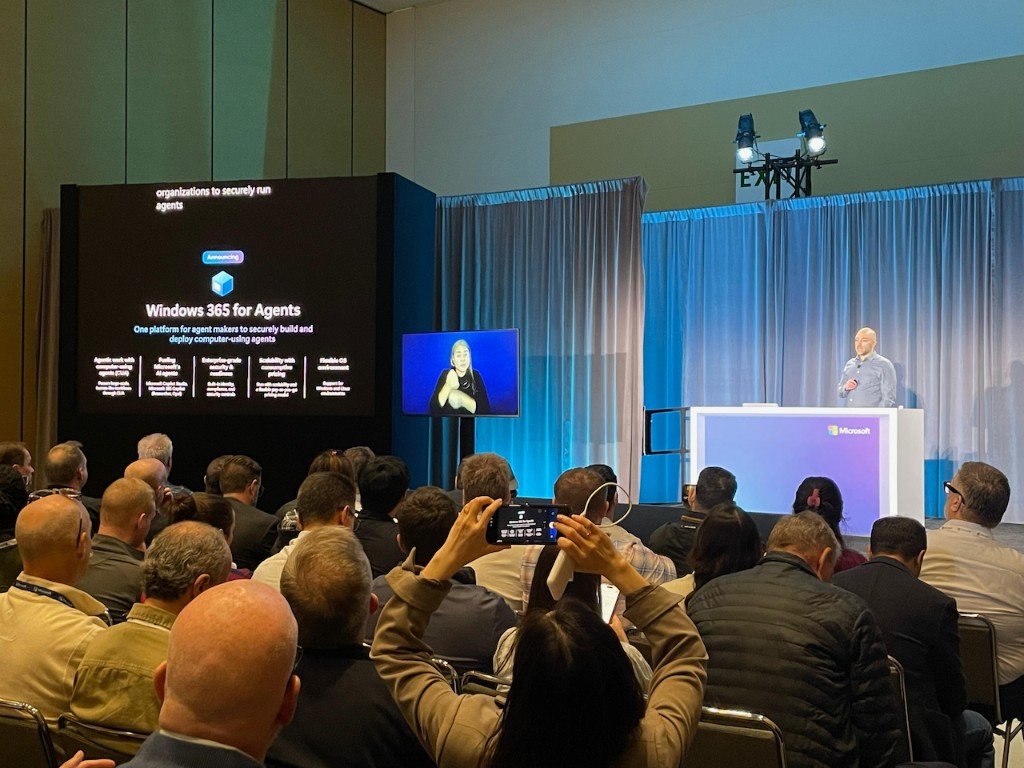



Brief bio and a few visuals: presenting at WPNinja, Windows 365 for Agents announcement at Ignite 2026, MIT Dome, Sloan graduation, San Juan Islands.
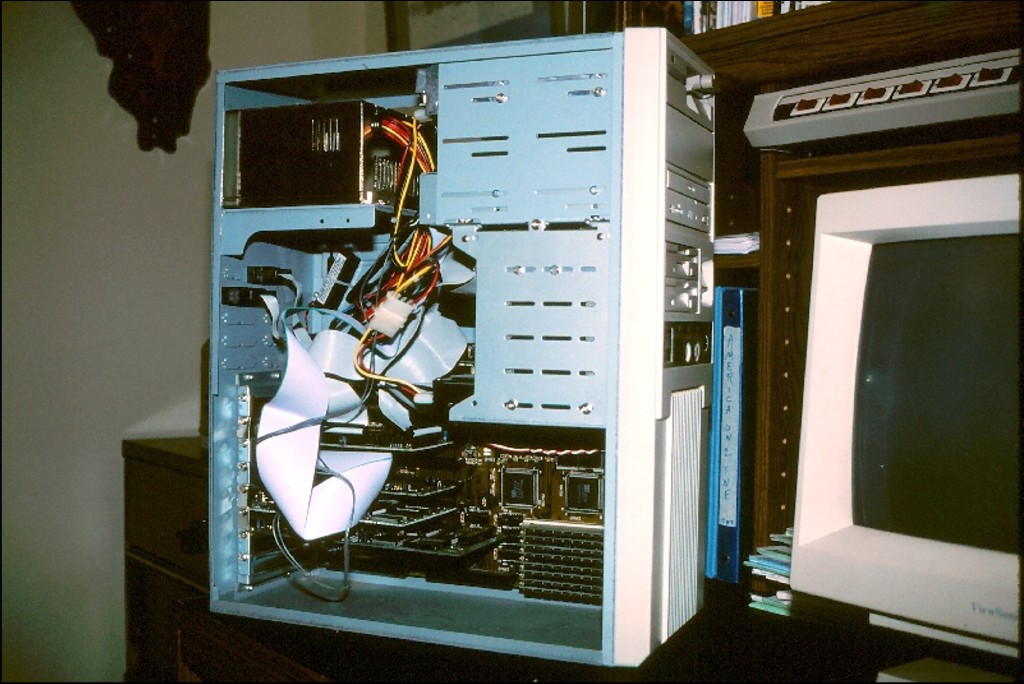

Quick intro: this was me as a kid — tinkering with the family PC and living in Star Wars games. That mix of curiosity about how machines worked and loving the experience of using them is the same thread that runs all the way to product management.
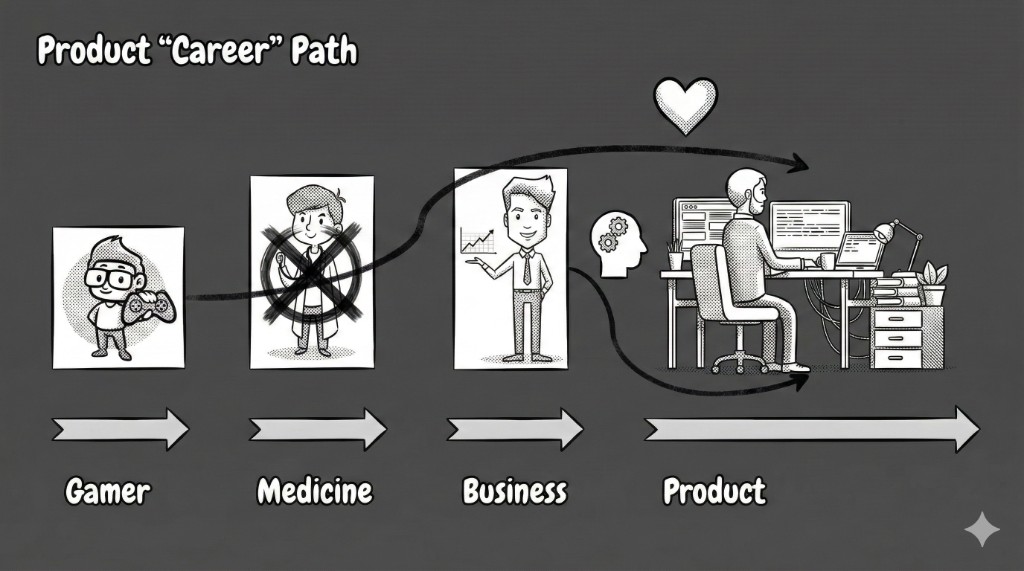
Gamer, then a detour through medicine that didn’t stick, then business, and finally product — where the “gears and heart” landed. Sets up why I care about how product sense evolves.
Steve Jobs's 1992 MIT Sloan lecture: he talks candidly about what makes great companies and products — small, focused teams obsessed with users and product details. Use this clip to frame PM 3.0 as a continuation of that lineage: the tools have changed, but the core is still judgment, taste, and deep empathy for the user.
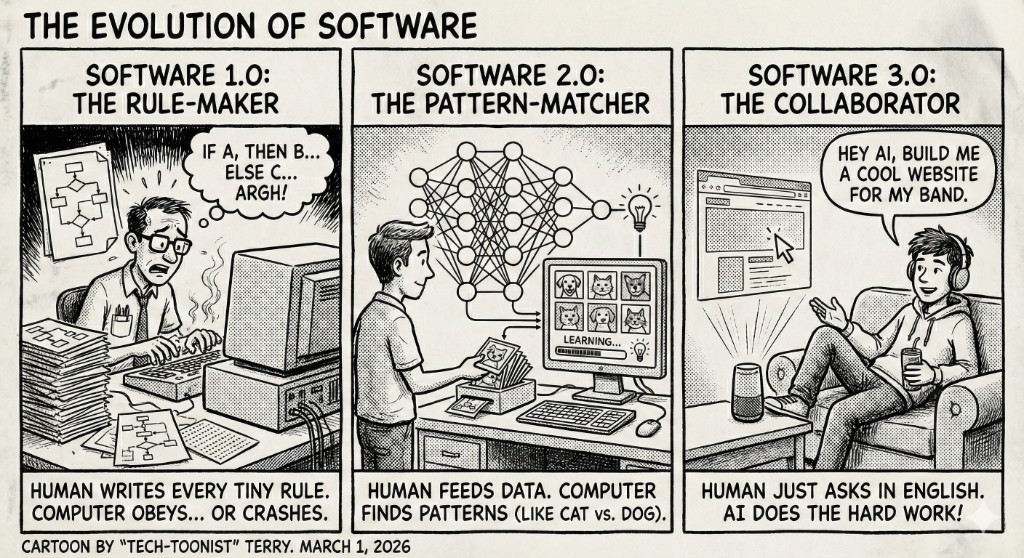
Karpathy’s keynote frames the 1.0 / 2.0 / 3.0 shift; this cartoon is a quick visual anchor before the quote.
"We moved from telling machines how to do something… to showing them… to simply telling them what we want."
— Andrej Karpathy, YC AI Startup School, June 2025
Karpathy laid out the most influential framework for understanding software evolution. Software 1.0 = traditional code, explicit instructions. Software 2.0 = neural networks trained on data. Software 3.0 = LLMs programmed in English. Each generation subsumes the previous. The tools of creation are being created by the tools.
The same phase transition is happening to product management. Most people haven't noticed yet.
My thesis today: the PM discipline is going through the exact same 1.0 → 2.0 → 3.0 evolution that software is. And just like with software, each generation changes what matters, what's scarce, and what's table stakes. Let's walk through it.
01
Product Management 1.0
The Coordination Era
The PM as Human Compiler
PM 1.0 was explicit and sequential — just like Software 1.0. Write PRDs. Manage backlogs. Run sprints. Translate between engineering and business. The hard skill was orchestration.
This is the PM most MBA programs still teach. The "CEO of the product" — which really meant CEO of the process. Every feature, every acceptance criterion, every edge case hand-specified by the PM. You were the human compiler between business intent and engineering execution.
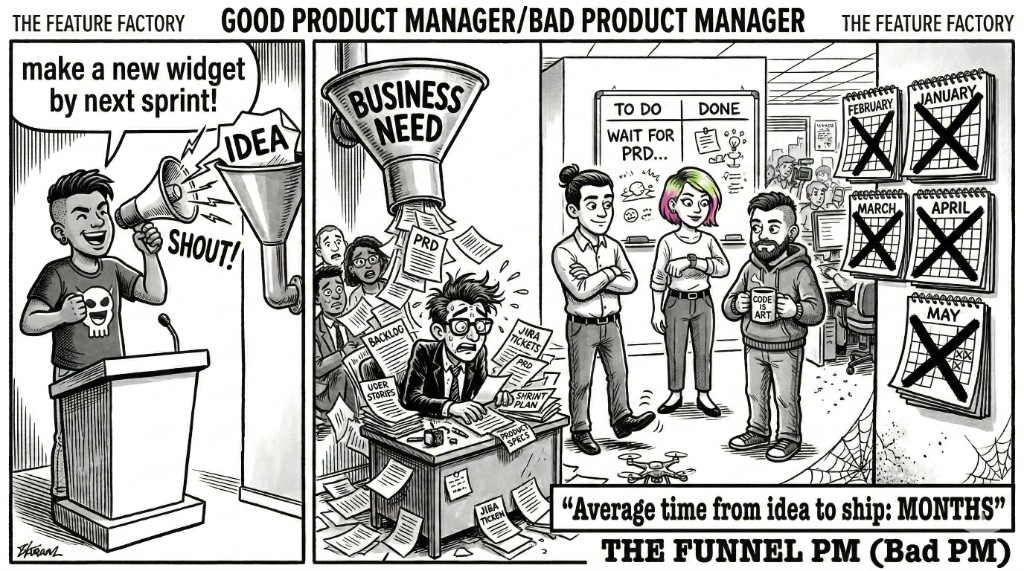
The Funnel PM: idea shouted down, everything pours onto the PM, team waits for the PRD. Average time from idea to ship: months. Classic PM 1.0 caricature.
PM 1.0: The PM as bottleneck between intent and execution
Business Need
→
PM (translator)
→
Eng Spec
→
Build
→
Ship
The PM sat in the middle of everything. You were the router — every decision flowed through you. This worked because building was slow and expensive, so having one person prioritize and sequence was high-leverage.
Months
Average time from idea to shipped feature in PM 1.0
In the coordination era, shipping anything took months. Building was the bottleneck. So PM optimized for prioritization — deciding what to build next was the highest-leverage activity because every engineering cycle was precious.
When building is expensive, knowing what to build next is the strategic advantage.
This is the key insight of PM 1.0. The scarcity was engineering capacity. So the PM's job was to make sure that scarce capacity was pointed at the right problems. Roadmaps, backlogs, prioritization frameworks — all artifacts of a world where building was the bottleneck.
02
Product Management 2.0
The Data-Driven Era
Show, Don't Tell
Starting ~2015, the best product orgs shifted to data-driven PM. A/B testing at scale. Growth loops. PLG. Experiment-driven roadmaps. Instead of hand-specifying features, you showed the product what to optimize for through data.
Just like Software 2.0 trained neural nets with examples rather than explicit rules, PM 2.0 replaced hand-coded roadmaps with data-driven optimization. Airbnb, Spotify, Netflix — their PMs became optimization engines. The hard skill became analytical sense: experiment design, metric frameworks, funnel analysis.
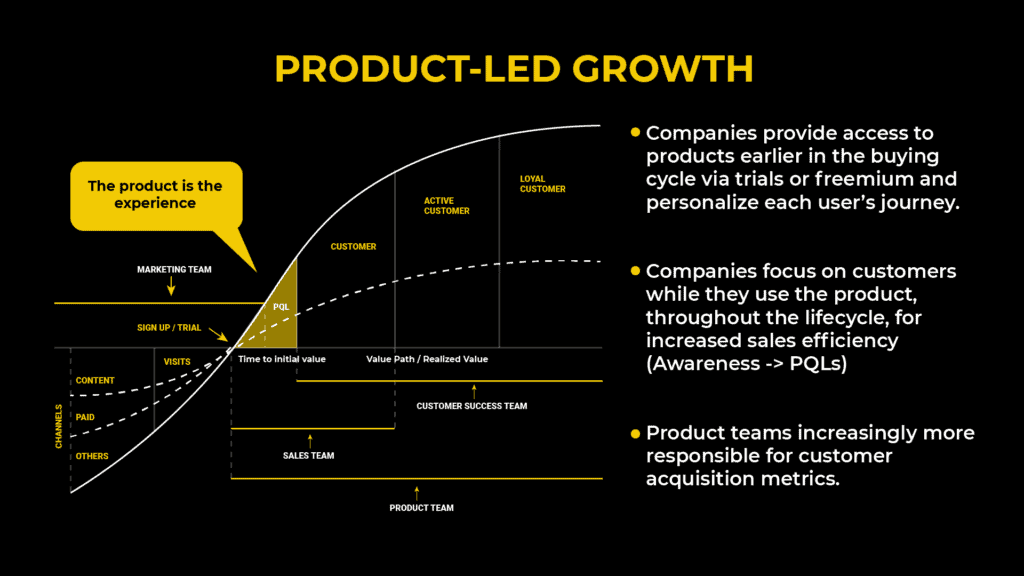
PLG as a PM 2.0 pattern: product is the experience; teams align around awareness to PQLs and realized value.
PM 2.0: Data-driven optimization loops
Hypothesis
→
Experiment
→
Data
→
Decision
The PM role shifted from "I decide what we build" to "I design experiments that reveal what we should build." The product itself became the feedback mechanism. This was a huge leap — but it had a ceiling.
"If you're just trying to run a million A/B tests and then launch the ones that win, I don't think you'll end up with a great product."
— Jackie Bavaro, co-author of Cracking the PM Interview
The limitation of PM 2.0. You could hill-climb — optimize locally — but you couldn't see the next hill. Data tells you what's working; it doesn't tell you what's missing. You could incrementally improve, but you couldn't make creative leaps. The iPhone wouldn't have come out of an A/B test.
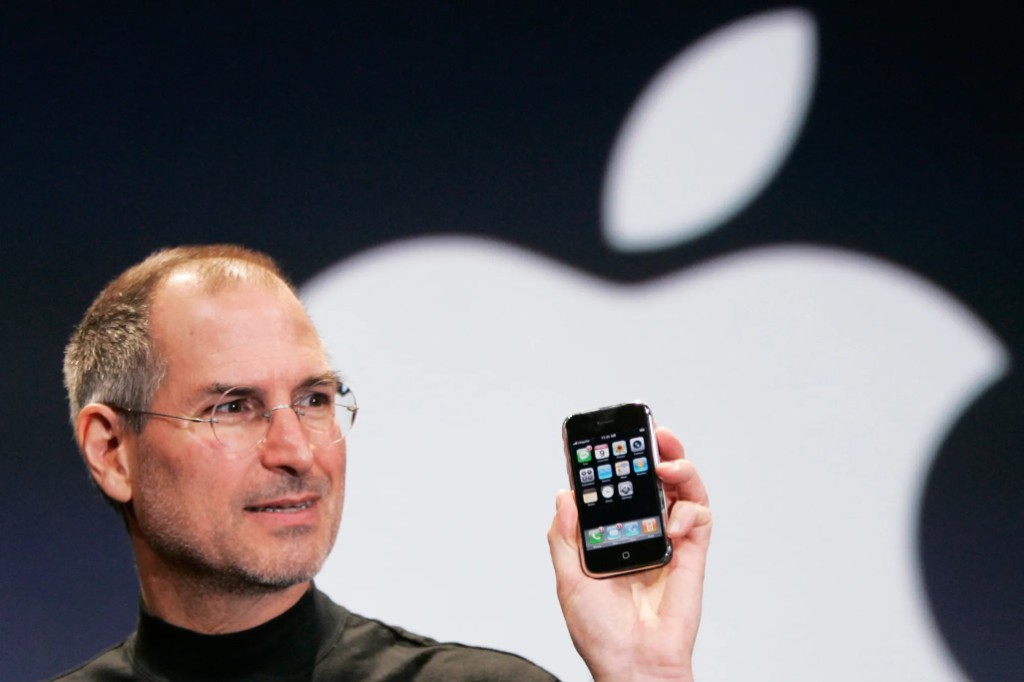
The iPhone wouldn't have come out of an A/B test — product sense and creative leaps, not just data.
Data can tell you what's working. It can't tell you what's missing.
This is the ceiling of PM 2.0. Local optimization, not creative leaps. Which sets up why PM 3.0 is fundamentally different.
03
Product Management 3.0
The Builder-Judgment Era
Hours
Time from idea to working prototype in PM 3.0
This is the fundamental shift. What used to take months now takes hours. AI tools — Cursor, Lovable, Claude, v0 — have collapsed the cost of going from idea to working prototype. And that changes everything about what a PM does. When building is nearly free, knowing what to build isn't enough. You need to know why to build it, whether to build it, and for whom.
PM 1.0 & 2.0
Building was the bottleneck
Strategic question: What to build next?
PM as coordinator / optimizer
PM 3.0
Judgment is the bottleneck
Strategic question: Why and whether to build?
PM as builder with product sense
The entire value equation has flipped. When building was expensive, coordination and prioritization were the high-leverage skills. When building is cheap, product sense — the judgment to know what will actually work — becomes the scarce, irreplaceable skill.
"Vibe coding is a dream come true for product managers: all the skills we've built up working with engineers and designers are exactly what you need to work with an AI teammate."
— Jackie Bavaro
Bavaro — the most influential PM career author — embraced it fully. The PM skills of clear communication, problem decomposition, edge case thinking, and user empathy are exactly the skills that make you effective when working with AI to build. This isn't a stretch for PMs. It's our moment.
When building is cheap, product sense becomes the entire game.
This is the core thesis of the talk. Dev Bala told you product sense matters. I'm telling you it matters more now than at any point in PM history, because all the other bottlenecks are dissolving. Product sense is what separates PMs who thrive from PMs who get automated.
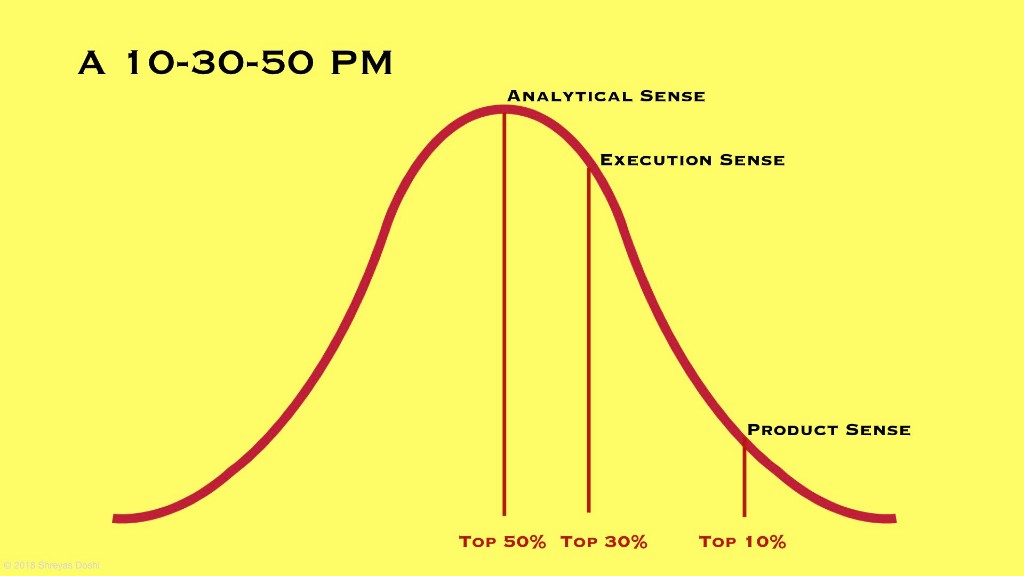
Shreyas Doshi's framework: analytical sense in the top 50%, execution sense in the top 30%, product sense in the top 10%. Sets up why product sense is the scarce skill in PM 3.0.
What is Product Sense?
The ability to consistently make correct product decisions under ambiguity. Three components: empathy (simulating users), domain knowledge (deep market context), and creativity (novel solutions).
This is Shreyas Doshi's framework — former PM leader at Stripe, Twitter, Google. He teaches the most popular product sense course and his tagline is: "In the AI age, nothing matters more than Product Sense." Jules Walter in Lenny's Newsletter defines it as "the skill of consistently crafting products that have the intended impact on their users." The key insight from every source: product sense is learned, not innate. Bavaro says it's "like learning to type." Doshi says "given enough effort, there is a clear path."
Building Product Sense — Deliberate Practice
01
Observe users 2-4x/month — watch micro-details: hesitation, confusion, delight
02
Deconstruct products weekly — reverse-engineer the decisions, not just the features
03
Product sparring sessions — present roadmaps/PRDs for structured peer critique
04
Read The Mom Test — learn to get honest signal from user conversations
05
Build and ship something — there is no substitute for the reps
These exercises come from Doshi, Bavaro, and Walter. The observation practice is key — Jules Walter at Slack discovered that high mobile churn stemmed from users not understanding what Slack did, not from feature gaps. You can only catch that by watching. The sparring practice comes from the design critique tradition. And building — actually shipping something — is the ultimate teacher because it forces you to confront every tradeoff.
The LinkedIn Signal
LinkedIn killed its Associate Product Manager program. Replaced it with "Associate Product Builder" — teaching coding, design, and PM together. New title: Full Stack Builder.
This is the loudest institutional signal of PM 3.0. Tomer Cohen, LinkedIn's CPO, went on Lenny's Podcast and explained: a "PM as coordinator" is less valuable than a PM as a builder with strong judgment. Google, Stripe, Netflix are adding vibe coding rounds to PM interviews. Shopify declared prototypes without AI aren't considered complete. The market is telling us something.
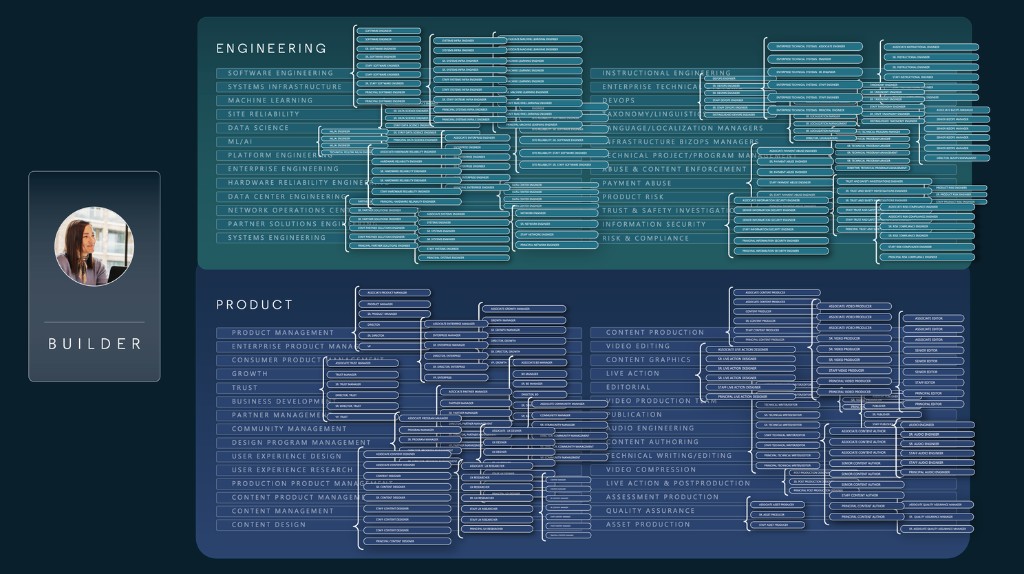
Tomer Cohen: process complexity led to organizational complexity — micro-specialization, from builders to assembly-line workers. Sets up the need to collapse the stack.
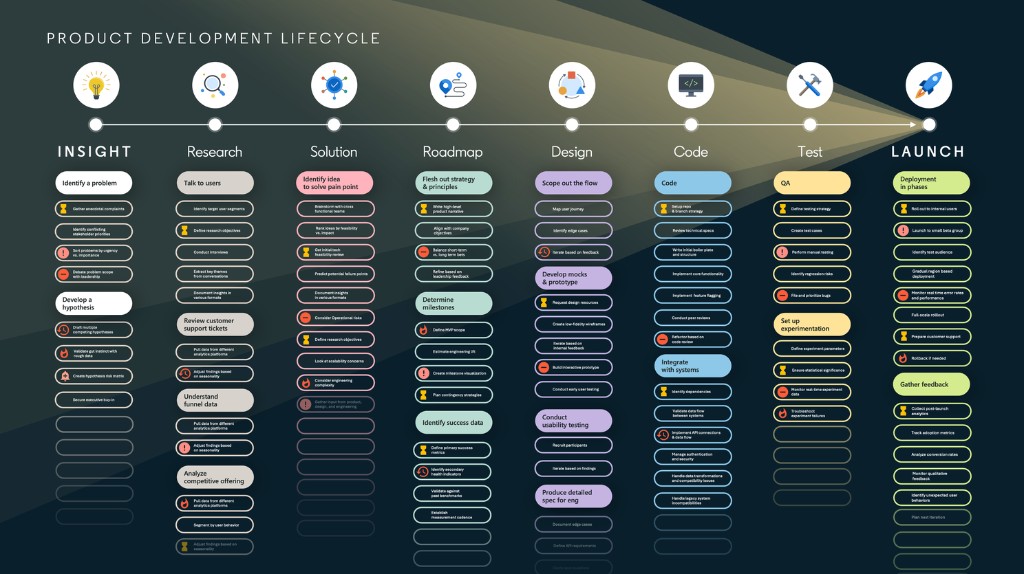
The full lifecycle — each step expanded into many sub-steps; building a small feature requires handoffs across many teams. Full Stack Builder model aims to collapse this.
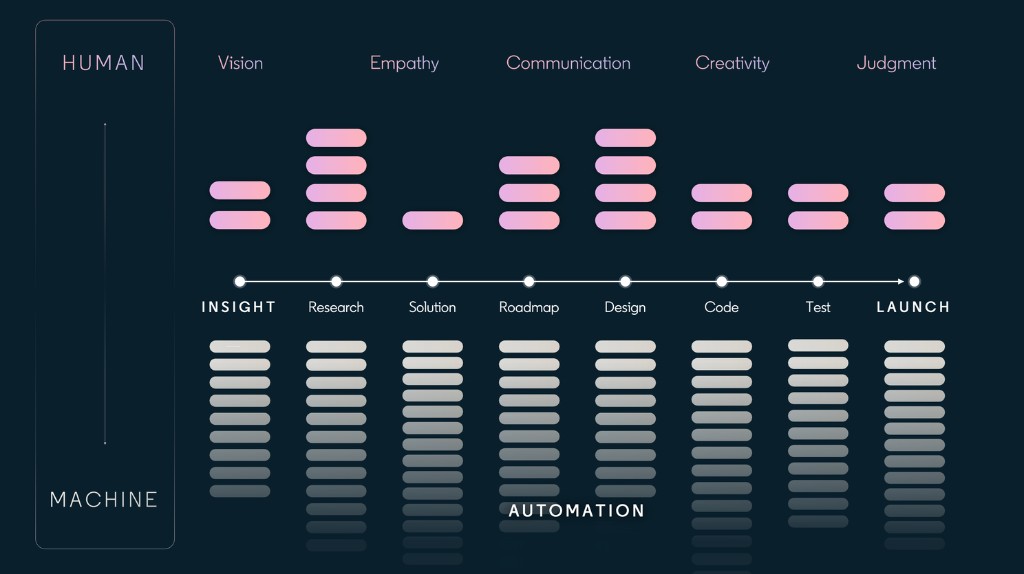
Vision: developing a compelling stance about the future. Empathy: profoundly understanding an unmet need. Communication: aligning and rallying others around an idea. Creativity: imagining possibilities beyond the obvious. Judgment: making high quality decisions in complex, ambiguous situations. Everything else we automate. Source: Tomer Cohen, LinkedIn.
04
Jagged Intelligence
Why Judgment Still Wins
Karpathy's Warning
LLMs have "jagged intelligence" — brilliant at some tasks, shockingly bad at others. AI can write a PRD in minutes but can't tell you if the product should exist. It can build a prototype overnight but can't judge if it solves a real problem.
This is Karpathy's concept — LLMs are like the character in Rainman. Encyclopedic memory, massive capability, but prone to cognitive deficits that seem almost random. For PMs, the implication is clear: AI handles the how better and better, but the what and why remain stubbornly human. The PM who trusts AI output without judgment will ship faster AND fail faster.
The Autonomy Slider
The PM's design decision
Human control
AI autonomy
Karpathy introduced the "autonomy slider" from his Tesla Autopilot work — users adjust how much control AI gets. For PMs, this is now the central design question of our era: every product decision includes where to set this slider for the user. This connects directly to my work on Windows 365 for Agents — where AI agents get their own managed environments with their own autonomy settings.
05
The Triad Converges
PM + Engineering + Design in 3.0
Roles converging in 3.0
PM
Engineering
Design
Builder with Judgment
The PM role doesn't change in isolation. Engineering: ~85% of devs use AI coding tools, Cursor hit $1B ARR, engineers shifting from writing code to reviewing/architecting AI-generated code. Design: 85% of designers say AI literacy is essential, Figma's tools are AI-native. When PMs can prototype, engineers can design, and designers can code — boundaries dissolve. The scarce resource isn't any craft skill. It's product judgment.
85%
of developers now use AI coding tools.
85% of designers say AI literacy is essential.
85% of designers say AI literacy is essential.
Same number, two disciplines, same conclusion. The tools layer is converging. What differentiates people is no longer "can you code" or "can you design" — it's "do you know what to build and why." Figma's 2025 survey found 33% of designers already use AI to generate assets, 22% create first drafts of interfaces. Engineers are shifting from writing boilerplate to architecture, security, and complex logic.
"Speed is now cheap. Judgment is scarce."
— Synthesis of 40+ sources on PM in 2026
This is the throughline. The great convergence means everyone can prototype, design, and build. The question is whether what you build is good, solves a real problem, and deserves to exist. That's product sense. That's the human moat.
06
Software Using Software
Humans aren't the only users anymore.
LogRocket's February 2026 analysis by Dr. Bartosz Jaworski identifies three shockwaves hitting PM. The first two are expected — product fundamentals matter more, PMs co-own technical decisions. The third is the paradigm shift: AI agents are becoming autonomous consumers of products — making API calls, triggering workflows, negotiating pricing, choosing content. Products must now satisfy machine interpretability alongside human UX.
Windows 365 for Agents
AI agents now get their own secure cloud PCs — with compute, identity, and policy controls. Designed for machine users, governed like human ones. This is the infrastructure layer for the agentic future.
This is what my team built at Microsoft. Announced at Ignite 2025. We give AI agents their own Windows 365 environments — they can operate autonomously in the same corporate infrastructure that human employees use, with the same security, compliance, and management. Think of it: we used to only design products for human users. Now we're designing products where the user might be an AI agent, and we need the same rigor around identity, access, policy, and governance. This is PM 3.0 in practice — product management for both human and machine users.
07
Your Playbook
What to Do Right Now
The New Interview Question
"What have you built?" Josh Woodward (VP Gemini, Google): "One of the most interesting interview signals is what you're building in your spare time." Anthropic's careers page: "The only credential that matters is what you've actually built."
The PM hiring bar has changed. Walking into an interview with a working prototype is now more impressive than a polished case study. LogRocket advises walking in with a viable working solution for a product pain point. The credential matters less; the demonstrated capability matters more. 71% of executives would choose a less-experienced candidate with strong AI skills over a more experienced one without.
The AI Tool Stack to Learn Now
01
Start here: Claude, ChatGPT — use daily for PM tasks (PRDs, analysis, strategy)
02
Build here: Lovable, v0, Replit — idea to prototype without code
03
Go deeper: Cursor, Claude Code — sophisticated building with AI pair programming
04
PM-specific: ChatPRD, NotebookLM, Notion AI — purpose-built PM workflows
Dennis Yang at Chime uses Cursor for PRD creation, Jira tickets, status reports — without writing code. His quote: "Cursor is a much better product manager than I ever was." CMU requires vibe-coded prototypes instead of wireframes. You don't need to become an engineer. You need to become fluent enough to build and validate your own ideas.
36.3%
of tech startups are now solo-founded — up from 23.7% in 2019 — fueled by AI tools
This is the entrepreneurship angle. PM skills + AI fluency = the most powerful solopreneur combination in history. One person with strong product sense and AI tools can now achieve what required a 30-person team. Shreyas Doshi asks: "How likely is it that 3-4 person startups will have the impact of 30-50 person startups?" The answer is: it's already happening. Your MBA isn't just preparation for a corporate PM role. It's a launchpad for building.
The K-Shaped Market
PM hiring is surging at two extremes: AI specialists and AI-augmented builders. The middle — generic coordinators — is hollowing out. PMs with niche expertise command 20-30% compensation premiums. Choose your depth: domain or tech stack.
Martyn Bassett Associates frames it as K-shaped. Companies hiring selectively — wanting specialists, outcome narratives, continuous learners over generic PM profiles. AI PM roles pay $286K-$569K at top companies. 60% of AI PMs don't come from CS backgrounds — encouraging for MBA students. But you have to pick a lane. "Trying to be everything to everyone no longer works."
"AI can replace mediocrity. It can rarely replace good, let alone great product managers."
— Product School, 2026
The ATM analogy: ATMs didn't eliminate bank tellers — they changed the job. The irreplaceable human contribution is judgment about what to build and why. Product sense is that judgment. And as we covered — it's learnable.
Phil Gerity
Partner Group Product Manager, Microsoft
Co-founder, Windows 365 · Building Windows 365 for Agents
Thank you. Happy to take questions. If you want to go deeper on any of this — product sense exercises, AI tool recommendations, the agents-as-users paradigm — let's talk.